Huawei and Yowpay introduce a wearable-first payment solution that could redefine how merchants accept instant, low-cost transactions.
A smartwatch becomes a payment terminal, signaling a shift toward frictionless, card-free commerce powered by open banking.
Turning Wearables Into Payment Terminals
In a move that pushes the boundaries of both fintech and wearable technology, Huawei has partnered with Luxembourg-based fintech Yowpay to launch what is being described as the world’s first Open Banking smartwatch POS application.
The solution enables a Huawei smartwatch to function as a fully operational point-of-sale (POS) terminal—no additional hardware required.
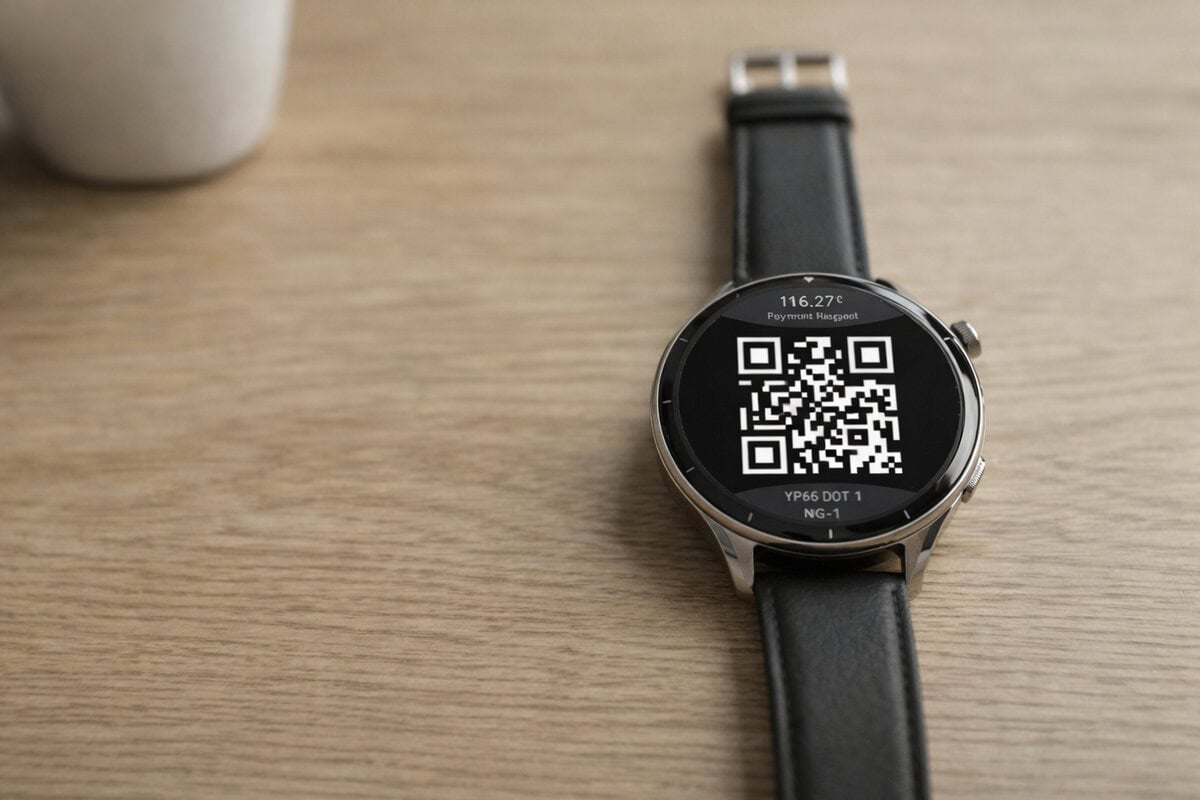
By leveraging SEPA instant payments and account-to-account (A2A) infrastructure, merchants can now accept payments directly from their wrist. Instead of relying on card networks or physical terminals, the system generates a dynamic QR code on the watch face, which customers scan using their smartphones.
How the Technology Works
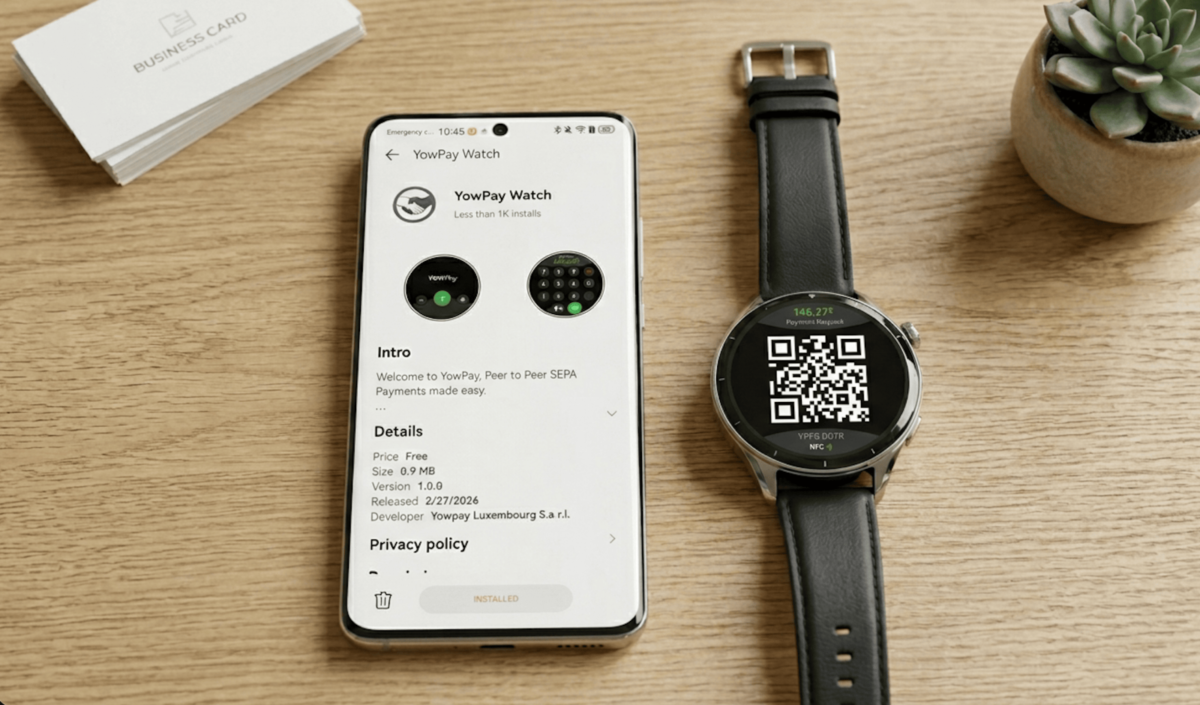
At the core of the solution is Yowpay’s orchestration layer, which connects merchants directly to bank-based payment rails.
Here’s how a typical transaction works:
-
The merchant opens the Yowpay app on a Huawei smartwatch
-
A dynamic QR code is generated on the watch face
-
The customer scans the code using their smartphone
-
Payment is initiated via SEPA instant transfer
-
Funds are received in real time into the merchant’s account
This approach removes intermediaries, bypassing traditional card schemes and their associated fees.
For small businesses, freelancers, and mobile vendors, this could represent a significant shift in both cost structure and operational flexibility.
Why This Matters for Merchants
The implications extend beyond novelty. This is a clear signal of where payments infrastructure is heading.
Key advantages include:
-
Lower transaction costs
By bypassing card networks, merchants avoid interchange and processing fees -
True mobility
No need for card readers, terminals, or smartphones—just a smartwatch -
Instant settlement
Payments arrive in real time via SEPA instant transfers -
Simplified setup
Ideal for micro-merchants, freelancers, and on-the-go businesses -
Financial sovereignty
Direct bank-to-bank transactions reduce dependency on intermediaries
In effect, the smartwatch becomes both a payment acceptance device and a gateway to open banking.
The Rise of QR and A2A Payments
This launch aligns with a broader shift toward QR-based and account-to-account payments globally.
While card payments still dominate in many Western markets, open banking frameworks—particularly in Europe—are accelerating alternatives that prioritize:
-
Speed
-
Cost efficiency
-
Transparency
-
Control over payment flows
Yowpay’s platform is designed to optimize payment routing across multiple channels, including QR codes and open banking flows, improving conversion rates while maintaining simplicity.
Where Huawei Fits In
Huawei’s role in this partnership highlights a strategic push to expand the capabilities of its wearable ecosystem beyond health and lifestyle tracking.
By integrating fintech functionality directly into devices like the Huawei Watch GT and Watch Ultimate series, the company is positioning wearables as tools for productivity and commerce—not just personal use.
This also reflects a broader industry trend: the convergence of consumer devices and financial infrastructure.
What Comes Next
While still early, smartwatch-based POS systems could open up entirely new use cases:
-
Street vendors and pop-up retailers
-
Event-based commerce
-
Service professionals operating on-site
-
Emerging markets with limited POS infrastructure
The success of this model will depend on adoption, regulatory alignment, and user trust—but the direction is clear.
Payments are becoming more embedded, more immediate, and increasingly invisible.
Conclusion
The Huawei–Yowpay collaboration marks a notable step toward wearable-first commerce.
By combining open banking with everyday devices, it removes friction from transactions and challenges the dominance of traditional payment systems.
If adoption scales, the future of payments may not sit in your pocket—or even your phone—but on your wrist.