
UK tech founder argues neurodiverse workers may hold a critical advantage as artificial intelligence reshapes the workplace
As businesses race to adopt AI, traditional hiring models are being challenged—opening the door to a more diverse and potentially more effective workforce.
A Different Kind of Competitive Advantage
As artificial intelligence continues to transform how businesses operate, a new conversation is emerging around talent—and who is best equipped to thrive in this rapidly changing environment.
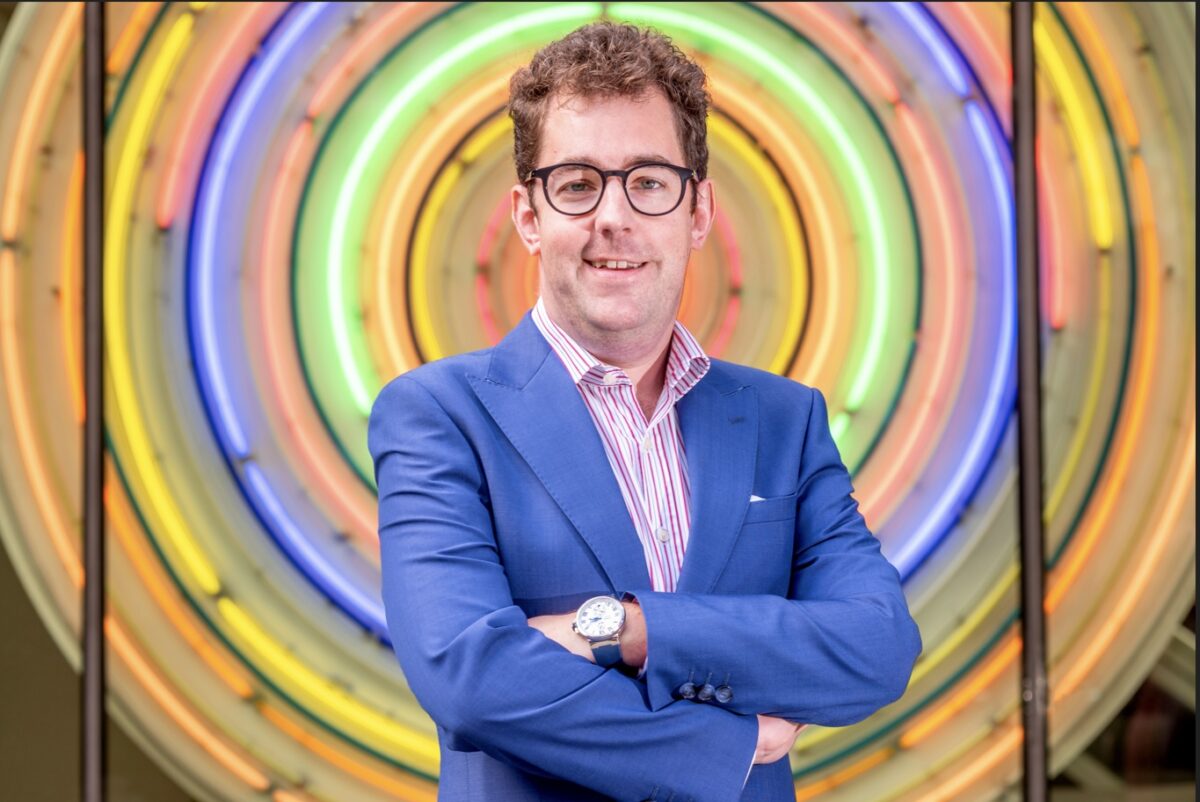
According to Josh Hough, founder of home care software company CareLineLive, neurodiverse individuals may be particularly well suited to this shift.
Speaking during Neurodiversity Celebration Week, Hough highlighted that traits often associated with neurodiversity—such as pattern recognition, deep focus, and problem-solving—are becoming increasingly valuable in AI-driven workflows.
Challenging Traditional Hiring Models
Hough argues that many organisations are still relying on outdated hiring frameworks.
“A lot of businesses still want people who tick every box. The reality is, people who think differently often solve problems differently.”
In an AI economy defined by constant change, adaptability and alternative thinking are becoming critical.
This marks a shift away from:
-
Process-driven roles
-
Standardised thinking
-
Linear problem-solving
Toward a workforce that can:
-
Interpret complex systems
-
Identify patterns quickly
-
Approach problems from new angles
Lived Experience Shapes Innovation
Hough’s perspective is shaped by his own experience.
Born with a rare muscle-weakening condition, he spent much of his early life in a wheelchair—an experience that required him to constantly adapt and rethink how to navigate everyday challenges.
“When you grow up having to do things differently, you don’t assume the standard way is the best way.”
That mindset, he says, has carried directly into how he builds and leads his company.
Building Technology Around Real-World Needs
Founded in 2014, CareLineLive develops software used by more than 700 home care providers globally, supporting over 25,000 carers.
The company focuses on improving how information flows across care systems—an area where inefficiencies can have real-world consequences.
“Too often, information doesn’t move between people in the way it should. That creates risk and wastes time.”
By prioritising clarity, communication, and accessibility, the platform reflects the same principles Hough advocates in workforce design.
Neurodiversity in an AI-Driven Workplace
As AI adoption accelerates, the nature of work is evolving.
Rather than replacing human capability, many AI systems:
-
Require interpretation
-
Depend on pattern recognition
-
Benefit from non-linear thinking
These are areas where neurodiverse individuals may excel.
Hough believes businesses need to rethink how they define capability:
“Not everyone is going to fit a traditional mould—but that doesn’t mean they can’t be excellent at what they do.”
A Broader Shift in Workplace Thinking
The conversation around neurodiversity is moving beyond inclusion—and toward performance.
Forward-looking organisations are beginning to recognise that:
-
Cognitive diversity can drive innovation
-
Different thinking styles can improve outcomes
-
Inclusion is not just ethical—it’s strategic
In the context of AI, this shift may become even more pronounced.
Conclusion
As the AI economy continues to evolve, so too must the way organisations think about talent.
Josh Hough’s perspective highlights a simple but powerful idea:
👉 The future of work may belong to those who think differently.
And for businesses willing to adapt, that represents not a challenge—but a competitive advantage.