
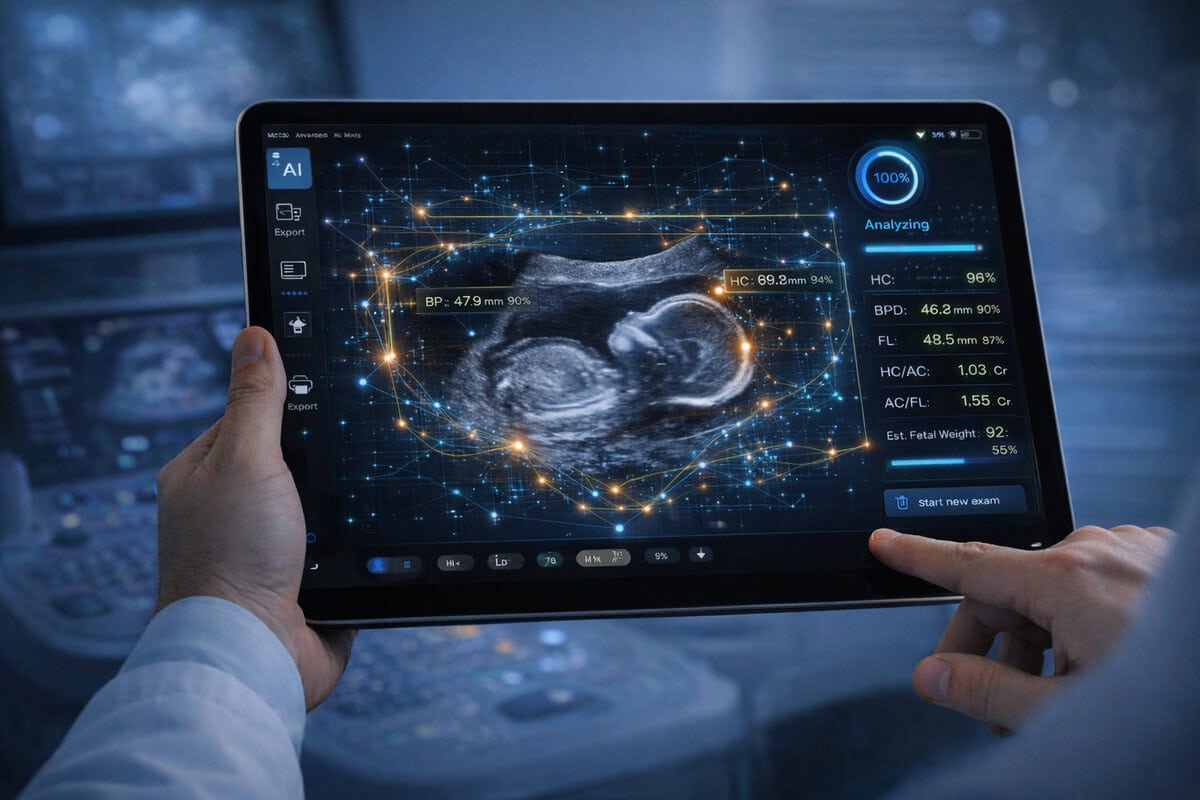
Diagnoly expands global deployment of its real-time fetal ultrasound AI with the launch of Fetoly on iOS
Artificial intelligence is increasingly moving from research labs into everyday clinical workflows, and prenatal imaging is one of the latest areas to see rapid innovation. DeepTech company Diagnoly has announced the launch of its real-time fetal ultrasound AI assistant, Fetoly™, on iOS, expanding global access to AI-assisted prenatal care.
Already deployed in more than 20 countries, the new iOS release allows obstetricians, maternal fetal medicine specialists, and sonographers to run the application directly on an iPad, connecting seamlessly to existing ultrasound systems without requiring additional hardware or upgrades.
This marks another step in the broader trend of AI moving into mobile, interoperable healthcare tools that integrate directly into clinical workflows rather than requiring entirely new systems.
AI As A Second Set Of Eyes
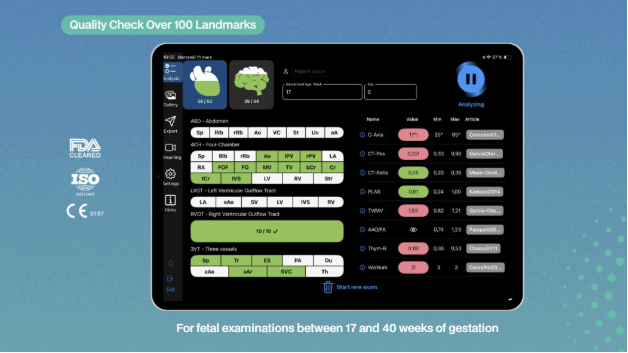
Fetoly™ is designed to function as a real-time ultrasound assistant, continuously analyzing the full ultrasound video stream during fetal examinations. The system helps verify that examinations are complete by identifying anatomical structures and can highlight suspicious findings through automated measurements, while keeping clinicians fully in control of the diagnostic process.
According to Diagnoly, the goal is not to replace clinicians but to provide a second layer of analysis that improves consistency, efficiency, and diagnostic confidence.
Fetal ultrasound is widely considered one of the most operator-dependent imaging procedures in medicine, with outcomes often influenced by the experience of the practitioner and the clinical environment. AI-assisted analysis has the potential to reduce variability and help standardize examination quality across healthcare systems worldwide.
Running Locally, Not In The Cloud
One of the notable aspects of Fetoly™ is that it operates locally on the device rather than relying on cloud processing. This approach helps address data security and privacy concerns while also ensuring the application can function reliably in clinical environments without constant internet connectivity.
This local-processing model is becoming increasingly important in healthcare AI, where data privacy, regulatory compliance, and workflow integration are critical factors for adoption.
Expanding Clinical Capabilities
The latest version of the application includes improvements in real-time performance and anatomical detection, as well as new automated measurement ratios that assist in detecting conditions such as:
- Ventriculomegaly
- Corpus callosum abnormalities
- Total anomalous pulmonary venous return (TAPVR)
These updates are delivered through regular software updates, allowing the system to continuously evolve and improve clinical support without requiring new hardware.
The Rise Of Mobile Medical AI
The launch of Fetoly™ on iOS reflects a broader shift in medical technology toward mobile, AI-powered tools that can run on tablets and portable devices. Instead of large centralized systems, many healthcare AI tools are now designed to work alongside existing equipment, making adoption faster and more cost-effective.
This trend is particularly important for prenatal care, where access to specialist expertise varies significantly across regions. AI tools that support clinicians in real time could help improve diagnostic quality and access to care globally.
As demand continues to grow for intelligent imaging tools and AI-assisted diagnostics, solutions like Fetoly™ highlight how artificial intelligence is increasingly becoming embedded directly into everyday clinical practice rather than remaining a separate technology layer.